Parents are bombarded with “do this, don’t do that” advice. But here’s something that doesn’t get enough airtime: supporting the supporter, meaning you, yes, you as a parent!
Research shows that when parents practice gratitude (not just about their kids, but in life generally), the benefits ripple outward. In two studies, parents who tracked gratitude or wrote short gratitude letters reported feeling happier, calmer, and more connected just a week later. Their family life also ran more smoothly because gratitude boosted their day-to-day positive emotions (Nelson-Coffey & Coffey, 2023).
Put simply: when parents nurture their own nervous system with gratitude, kids feel it too.
Conflict drops, closeness grows, and the whole home feels lighter
You know that gratitude isn’t just about polite “thank-yous.” It’s a mindset that helps kids (and parents!) notice what’s good, even in tough times. And science shows it brings lasting benefits!
Families who practice gratitude experience more positive emotions, less negativity, and higher life satisfaction. When appreciation is part of daily life, kids feel seen, parents feel supported, and relationships deepen.
Children securely connected to caregivers are more likely to develop gratitude in adolescence. In turn, gratitude buffers against depression and encourages trust, patience, and kindness (Scott et al., 2021).
Here are the three simple gratitude practices for families
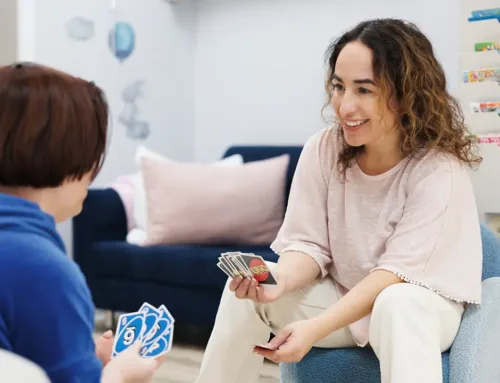
- Focus on experiences, not stuff. After game night, a bedtime story, or a walk outside, pause and ask: “What was your favorite part of this moment?”
- Volunteer together. Donate toys, join a food drive, or make cards for neighbors. Acts of service help kids see they can make a difference.
- Start a gratitude jar. Keep a jar on the counter with slips of paper. Each day, everyone adds one thing they’re thankful for. Reading them together at week’s end, it often sparks laughter and connection.
Quick wins – tips for parents
- Say “thank you” often for everyday things.
- Share one thing you are grateful for at family meals.
- Encourage kids to thank each other for acts of kindness.
- Focus on progress, not perfection, gratitude is a skill that grows with practice.
- Nelson-Coffey, S. K., & Coffey, J. K. (2023). Gratitude improves parents’ well-being and family functioning. Emotion. Advance online publication.
- Scott, V., Verhees, M., De Raedt, R., Bijttebier, P., Vasey, M. W., Van de Walle, M., & Bosmans, G. (2021). Gratitude: A resilience factor for more securely attached children. Journal of Child and Family Studies, 30(2), 416–430.
Meet the author

Basira Rahimi is a Registered Provisional Psychologist on the Kids Reconnect therapy team, and she brings a rare blend of warmth, wisdom, and real-world experience. Before becoming a child and family therapist, Basira spent ten years as an educator, supporting youth ages 11 to 17 through both the everyday ups and downs and the big emotional storms of growing up.
In her therapy work, Basira combines her strong foundation in trauma-informed care, risk assessment, and evidence-based intervention with her deep belief that every child’s behavior tells a story. She loves helping kids, teens, and parents uncover that story together.